
Building a resilient ecological future
Confronting the reality of climate change impacts
Rising global temperatures disrupt weather patterns, causing frequent extreme events that test the resilience of modern infrastructure.
Mitigation strategies now focus on reducing greenhouse gas concentrations through direct air capture and massive reforestation projects. Scientists monitor atmospheric changes closely, using satellite data to predict shifts in jet streams and ocean currents, enabling governments to prepare proactively for environmental shifts rather than reacting to disasters.
Adaptation measures involve reinforcing coastal defenses and modifying agricultural practices to withstand prolonged droughts and unpredictable precipitation levels.


Restoring wetland ecosystems
Marshes and swamps act as natural water filters, trapping pollutants and providing critical breeding grounds for migratory bird species.

Preserving alpine biodiversity
Mountain flora faces extinction as warming climates push species higher, requiring dedicated conservation zones to protect fragile alpine biological networks.

Regenerating coral reefs naturally
Marine biologists transplant heat-resistant coral fragments to damaged reefs, supporting the recovery of these essential underwater nurseries.


The transition to renewable power generation
Decarbonizing the energy grid involves diversifying sources and improving storage capabilities to ensure consistent supply.
01
Hydroelectric dam efficiency
Modernizing turbines in existing reservoirs increases output without expanding the environmental footprint of water-based energy systems.
02
Biomass energy solutions
Converting organic agricultural waste into fuel reduces reliance on coal while addressing waste disposal challenges for farming communities.
03
Tidal power harvesting
Underwater turbines capture the kinetic energy of ocean currents, providing a predictable source of clean electricity.

Sustainable architecture and green living spaces
Eco-design prioritizes the health of occupants and the environment by minimizing volatile organic compounds and maximizing energy efficiency.
Architects now integrate passive solar principles, positioning windows to capture winter heat while shading against summer sun. The use of raw earth materials and recycled composites reduces the embodied carbon of new structures, creating buildings that regulate indoor humidity naturally without intensive air conditioning.
Community planning emphasizes walkable neighborhoods with integrated green belts, reducing the need for private vehicles and fostering local social interaction.
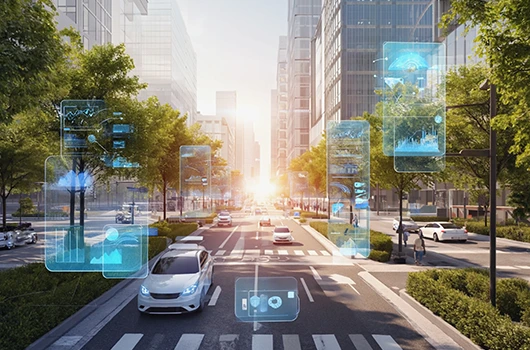
Evolving infrastructures for clean mobility
Smart traffic management systems synchronize signals to reduce idling.
Advancing circular economy principles in industry
Manufacturing sectors are moving away from the « take-make-dispose » model towards systems where every product component is designed for disassembly and reuse. By establishing closed-loop supply chains, companies reduce raw material extraction, turning end-of-life goods into valuable inputs for new production cycles.
Industrial symbiosis allows waste heat or by-products from one factory to become fuel or raw material for a neighboring facility, creating efficient eco-industrial parks that minimize overall environmental impact.
Optimizing global water resource management
Fresh water scarcity demands innovative technologies for purification and distribution, ensuring equitable access to this vital resource while preserving aquatic ecosystems against over-extraction and pollution.
Desalination technology advances
New membrane filtration techniques lower the energy consumption required to convert seawater into potable drinking water.
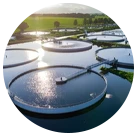
Wastewater recycling systems
Treating urban sewage for agricultural irrigation reduces the strain on natural aquifers and prevents river contamination.
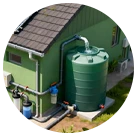
Rainwater harvesting methods
Collecting precipitation from rooftops for non-potable household uses decreases demand on municipal treatment facilities.
Combating pollution through strict regulation
Legislative frameworks enforce limits on industrial emissions and chemical discharge, holding corporations accountable for their environmental footprint and encouraging cleaner production technologies across all sectors.
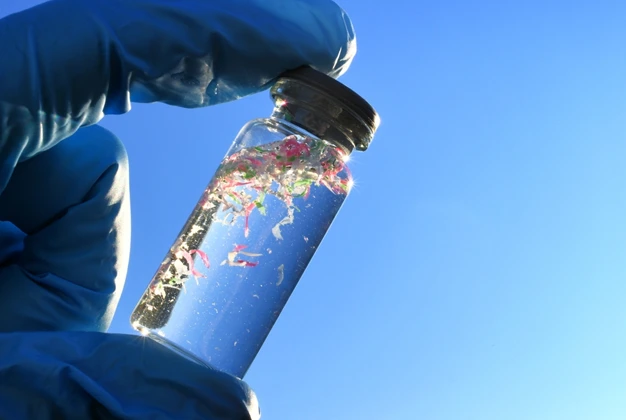
Microplastic filtration
Advanced sewage treatment plants now trap microscopic synthetic fibers before they reach the ocean food chain.
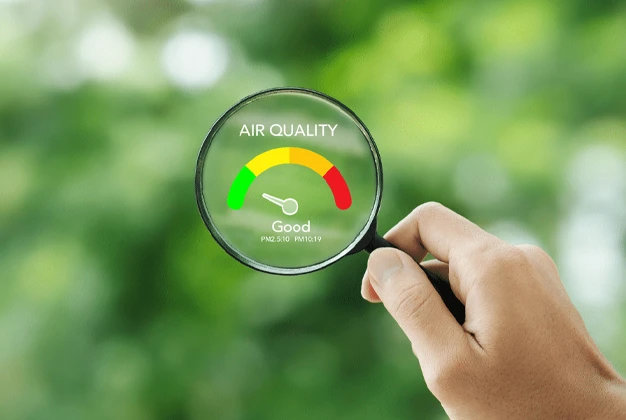
Air quality monitoring
Networks of urban sensors provide real-time data on particulate matter, triggering immediate traffic restrictions during high pollution episodes.

Soil remediation projects
Using specific plants to extract heavy metals from contaminated industrial sites restores land for safe future use.
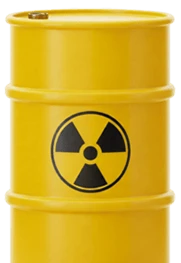
Hazardous waste disposal
Secure containment protocols prevent toxic industrial by-products from leaching into groundwater or soil systems.